|
24. CULTS AND SUSPECT ORGANISATIONS, NEW RELIGIOUS MOVEMENTS
The issue of cults or new religious movements is pressing. Can you enlarge further? There have been arguments on this subject that can be confusing. A large number of victims are now well known as a cult hazard, yet some academic commentators still minimise dangers. As a citizen, how do you view this evocative topic?
The definition in terms of a cult is not always agreed upon. Suspicion can attach to organisations quite independently of that label. There are complexities such as the “theological versus sociological” issue of interpretation. The theological viewpoint tends to discriminate upon the basis of doctrine, while the sociological approach is committed to the analysis of behaviour. What follows is a non-theological engagement of “citizen sociology” with diverse aspects of the phenomenon at issue. I do not employ the word “cult” as a blanket description of anomalies. However, the evocative term surely does have a relevance in some or many cases.
Some religious movements or sects do no harm whatever, while others can become predatory or dangerous. The proliferation of alternative organisations, since the 1960s, has added to the problem denoted. These groupings may or may not be malfunctioning. Over the years, suspicious patterns of outlook and behaviour have emerged in diverse organisations. Evasion of complaints is a feature which can sound the alert. Factors such as charity status or substantial economic backing can create a sense of false achievement. A basic issue is whether public education is best served by the emphases or doctrines promoted. Some organisations exhibit both positive and negative features, while attempting to gloss the contradictory elements. Symptoms of aberration can be mild, of increasing strength, or chronic. Tendencies to manipulation of belief, behaviour, and funding are all here implied, plus other factors less easy to elucidate in a few words.
Some suspect organisations accumulate vast fundings, literally in the millions and even billions of pounds or dollars. Naturally, people then become suspicious of what is occurring, especially if reports leak out of discrepancies in leadership decisions or behaviour. Converts and subscribers are too often confused, or even psychologically damaged, by the problems which can ensue. Victim support groups have confirmed the high risk posed by suspect organisations.
CONTENTS KEY
24.1 The Rajneesh Commune
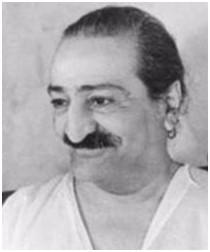
The Rajneesh commune transplanted from India to Oregon in 1981. Very briefly, Indian critics of this sect gave strong warnings, based upon discrepant patterns of behaviour developing amongst the membership in Poona (Pune). Some participants were physically hurt in sessions of extremist therapy favoured by the guru at his Poona ashram. Converts did not believe the cautions and criticisms; some Western onlookers assumed that the critics were merely being assertive and biased. As a consequence, Bhagwan Shree Rajneesh (1931-1990) and his “therapeutic” community were elevated in new age literature as a perfectly legitimate source of spiritual benefits. They were perhaps slightly sensationalist, that was all. The glowing adverts continued, thus encouraging further recruits.
When Rajneesh acquired an extensive ranch in Oregon, his followers endeavoured to create a city called Rajneeshpuram. Signs of antisocial behaviour quickly developed in a friction with local residents. Foul and aggressive speech was cultivated by the leading female spokesperson for the sect, who was known as Ma Anand Sheela (Sheela Silverman). Another formerly harmless woman was persuaded by Sheela to murder a doctor within the commune, and nearly succeeded. In 1985, Ma Shanti Bhadra (Jane Stork), jabbed a syringe loaded with adrenalin into the doctor’s buttock, just after smiling at him. The doctor (Swami Devaraj) survived after two weeks in hospital.
Persons outside the commune were also targeted. Fortunately, most of the plots did not reach fruition. However, an episode of Rajneeshi bioterrorism, occurring in 1984, created much public shock. A campaign of food poisoning was undertaken in local restaurants at The Dalles (a town in Oregon), causing more than 700 people to become ill. Salmonella bacteria were employed in this escapade; the commune had created their own dangerous laboratory. Sheela and her colleagues gained the disrepute of conducting the first bio-terrorist attack on American soil; they preserved salmonella bacteria acquired from a legitimate medical laboratory.
Sheela's nurse Diane Onang (Ma Anand Puja) experimented with viruses and bacteria in the secret laboratory. This was why the Rajneeshi terrorists were able to contaminate salad bars. Additional data reveals: "They just as easily spread dangerous bacteria at a grocery store, a public building and a political rally." Furthermore, "to strike at government authority, Rajneeshi leaders considered flying a bomb-laden [aero]plane into the county courthouse in The Dalles - 16 years before al-Qaida used [aero]planes as weapons" (quotes from Les Zaitz, Rajneeshis in Oregon: An Untold History).
Bhagwan Shree Rajneesh in 1985
An FBI investigation of the commune, in late 1985, started to uncover the diverse problems. Rajneesh claimed innocence, maintaining that some of his prominent female devotees were to blame for criminal actions. Rajneesh was convicted of immigration fraud and deported that same year. See Lewis F. Carter, Charisma and Control in Rajneeshpuram, 1990; R. Guilliatt, “It was a Time of Madness,” The Weekend Australian Magazine, June 17-18, 2006, pp. 22-28; Jane Stork, Breaking the Spell, 2009; Joseph T. McCann, Terrorism on American Soil, 2006.
The indoctrinated Australian convert, Jane Stork, consented in 1985 to be the killer of US attorney Charles Turner, who had been appointed to investigate the commune at Rajneeshpuram. The militant Sheela also enlisted five other colleagues in this conspiracy on behalf of the new model city. The plan was to shoot Turner, but other events intervened. The murder did not occur. The consequences of this episode endured in law courts for two decades.
Stork was sent to jail for nearly three years, for the attempted murder of Devaraj. Afterwards, she was indicted for conspiracy in the plot to murder attorney Charles Turner. By then she had moved to Germany. The German government refused to extradite Stork. When she voluntarily returned to Oregon in 2005, hoping to resolve the legal problem, she was placed under arrest. Other conspirators against Turner had earlier been jailed. Stork now escaped this fate by her lengthy apology. Jane Stork was given a lenient term of five years probation.
Jane Stork (alias Catherine Jane Paul) stated in retrospect that Rajneesh was far from being guiltless. She reports that he himself “orchestrated many events in his detailed daily briefings” (Guilliat, article cited, p. 27 col. 1). Stork informed that this guru played upon a psychological complex in his deputy Ma Anand Sheela, thereby making her procure women for him (ibid:26 col. 2). Rajneesh justified his insatiable demand for luxury cars with the excuse that this was a device to satirise consumerism. He also demanded a million dollar diamond-studded watch. He threatened to leave Rajneeshpuram if his demand for luxury items was not satisfied (ibid:27 col. 1). Rajneesh also regularly ingested the tranquillizer known as valium.
Stork only learnt these things by overhearing conversations between Rajneesh and the favoured confidante Ma Anand Sheela, who subsequently bore the major brunt of the guru's disapproval. In 1985, Rajneesh blamed Sheela and other female commune members for extremist problems, thus clearing himself. Rajneesh had meanwhile bankrupted the commune via the acquisition of ninety-three Rolls Royce automobiles.
24.2 Aum Shinrikyo and the Japanese Sects
During the 1990s, extremist sects created more shocks. The Order of the Solar Temple claimed multiple victims in 1994-97. The Aum Shinrikyo cult launched a lethal sarin gas attack on the Tokyo subway in 1995. There were thousands of casualties in the Tokyo tragedy. Police investigations at the cult headquarters in Japan discovered dangerous stockpiles, including biological warfare agents such as anthrax, and chemicals sufficient to produce sarin in a quantity estimated to kill four million people. A different kind of event occurred in California, where the Heaven’s Gate cult achieved a collective suicide amongst the membership in 1997. Over forty suicides occurred in what has been defined as a syncretistic new age Christian and UFO belief sect.
Some governments woke up to the dangers involved in the field of cults and reckless sects. New official reports appeared about the perils of mind manipulation in suspect organisations. Germany, France, Belgium, and Spain created new legislation in response to parliamentary investigations. Britain lagged far behind. When terrorists destroyed the World Trade Centre at New York in 2001, a concerted outcry erupted in America and Britain. In contrast, the issue of cult victims, in less visible avenues, has so often been ignored by officialdom.
Activities of the Aum Shinrikyo sect stunned even some hardcore analysts. This “new religious movement” was founded in 1984. Their arsenal (and two laboratories) of chemical weapons did not stop at the nerve gas sarin, but included lethal nerve agents such as VX, also killer diseases such as anthrax and Q-fever. The Guardian reported: “Followers were starved, doped with LSD and forced to undergo bizarre initiations; the cult’s enemies were murdered and incinerated in purpose-built microwave ovens.”
The manic assault on the Tokyo subway, in 1995, involved five coordinated sarin infiltrations on three train lines during rush-hour. Passengers were exposed to five leaking bags filled with liquid nerve agent. Thirteen people died, but at least 5,800 were injured. The extensive public shock was accompanied by police raids on the offending cult. An earlier sarin attack by Aum Shinrikyo occurred the previous year in the city of Matsumoto, injuring a smaller total of about 600 victims.
Some traumatised ex-devotees were reported to be recovering, via a support group, from years of physical and mental abuse. However, many young Japanese continued to become enthusiastic recruits to the dogma of Aum Shinrikyo, which promised supernatural or “mystical” powers and salvation. Early reports included David E. Kaplan and Andrew Marshall, The Cult at the End of the World (1996); Andrew Marshall, “It gassed the Tokyo subway....,” The Guardian, July 15th 1999.
The inverted outlook of Aum Shinrikyo “became convinced that no one outside the cult had the right to exist because all others, unrelated as they were to the guru [Shoko Asahara], remained hopelessly defiled.” Slogans adapted from Vajrayana Buddhism were used, along with so-called mystical experiences. “There was considerable violence even in the training procedures to which disciples could be subjected: protracted immersion in extremely hot or cold water, hanging by one’s feet for hours at a time, or solitary confinement for days in a tiny cell-like room that had no facilities and could become unbearably hot.” (Quotations from Robert Jay Lifton, Destroying the World to Save It: Aum Shinrikyo, Apocalyptic Violence, and the New Global Terrorism, 1999, pp. 26-7).
Yogic exercises, using rapid breathing, were favoured for inducing the purportedly mystical experiences offered by the Aum sect. Those exercises produced oxygen deprivation to the brain, a factor providing visions of colours, lights, and images, also a sense of mind leaving the body. This deceptive introduction facilitated the recruits being administered LSD to ensure dramatic experiences. All of these experiences were attributed to the unique spiritual power of the guru, Shoko Asahara, who led Aum Shinrikyo. The LSD mock-spirituality was also very effective in making the recruits immune to the violence hallmarking their environment.
Shoko Asahara
Aum Shinrikyo, said to have been worth about 1.5 billion dollars, was made bankrupt after the gas attack. Involved in the manufacture of illegal drugs, they were in league with the Japanese mafia for the marketing of those substances. Extortion, theft, and murder are amongst the activities listed for Aum Shinrikyo. The leader Shoko Asahara (1955-2018) was arrested, being sentenced in 2004. The now defensive sect changed name to Aleph. They deleted controversial Vajrayana Buddhist texts from their canon; those bizarre texts had been accused by officialdom of justifying murder. Aum Shinrikyo doctrine has been differently defined. Some analysts describe the cult as an amalgam of Buddhist, Hindu Yogic, Taoist, and Western new age beliefs. However, Buddhist Tantra appears to have been the primary doctrinal support.
Apocalyptic Christian prophecies were also included in the format. Shoko Asahara proclaimed himself to be Christ, and also the first enlightened sage since Gautama Buddha. One of his books was entitled Declaring Myself the Christ (1992). Asahara visited universities, and gained followers worldwide, apparently numbered in the tens of thousands. Many recruits in Japan were university students. "The cult promised them a more meaningful life." In 1989, Aum Shinrikyo gained official status in Japan as a religious organisation. They became a "doomsday cult," believing that World War Three would destroy the human population, leaving only Aum Shinrikyo as survivors (Tokyo Sarin Attack).
Scores of Aum Shinrikyo members were given trial. Thirteen were awarded death sentences for crimes, including the founder Shoko Asahara. Considerable time elapsed before the sentences were carried out at Tokyo in July 2018 (Cult Leaders Executed). Asahara was in jail for 22 years. Another executed man was Kiyohide Hayakawa, found guilty of seven charges, including the production of sarin nerve gas and LSD. One of his retrospective statements is: "At that time, I had completely believed that the guru Asahara was a Buddha, and believed the dogma that poa (a cult word for killing) was to save the person [being killed], and thought that, if I had hesitation in my mind, it was because of the lack of my training" (Profiles of Top Aum Shinrikyo Members).
Meanwhile, after the 1995 gas attack, the internet and other media encouraged a situation in Japan where cults flourished. According to the Japanese Agency for Cultural Affairs, more than 182,000 religious corporations were registered nationwide. One in five of the Japanese people were said to be affiliates of these organisations, often small and tending to secrecy. One concerned party was the Japan Society for Cult Prevention and Recovery (JSCPR), founded in 1995, and based in Tokyo.
One of the JSCPR directors, Sakurai Yoshihide, was a Professor of Sociology at Hokkaido University. He viewed the situation in terms of a social malaise existing for many years, aggravated by collapse of the Japanese economic advance in the early 1990s. Japan reportedly suffered a bigger cult problem than any other country. Not merely the younger generation, but also older people, responded to the message of small religious movements promising enlightenment and freedom from suffering. Analysis of the operative causes can vary. Social change is the basic denominator. Professor Yoshihide concluded that the competitive capitalist society of new Japan created a sense of meaningless existence, in comparison to which the cult panaceas were attractive to many subscribers.
Many of the Japanese sects were reported to be harmless. Some gained the reputation of being sexually exploitative. A major drawback is the unpredictable nature of cult temperament, as in the instance where members of the female-dominated Kigenkai sect “kicked and punched another member until she died from shock.” This Shinto-related grouping accordingly gained bad publicity. The Kigenkai sect was founded in 1970, being registered as an official religious organisation. See Explosion of cults in Japan. The elderly victim of the brutal assault in 2007 was Motoku Okuno, aged 63, whose case is memorable. There are various supplements, including Killing for the cult. The murdered victim had “her face caked in chalk by way of ritualistic humiliation.” Many female sectarians were arrested; fifteen of these were officially charged with injury leading to death.
24.3 Grof Ideology and the Findhorn Foundation
A parallel to some Aum Shinrikyo activities are the Grof factors of LSD therapy and Holotropic Breathwork, the latter being a very commercial trademark therapy of a neo-Jungian complexion (see Grof Transpersonalism). The workshop entreprenenur Stanislav Grof theorised LSD experience in terms of a shamanistic spiritual path. He overlooked the factor of hyperventilation being a cause of oxygen deprivation to the brain. Fantastic glosses were applied in both ideologies (Aum Shinrikyo and Grofian) to the drawbacks of LSD and rapid breathing. Grof Transpersonal Training Inc. was solid proof of human potential commerce, early accompanied by ingestion of MDMA at Esalen, a centre for alternative thought in California where Grof became very influential.
Stanislav Grof
In Britain, the Esalen craze for new spirituality was also in evidence. The Scientific and Medical Network (SMN) openly promoted Grofian LSD ideology on their website for several years, with unmeasured consequences, leading to the conclusion of critical observers that the SMN should be regarded as a potentially dangerous influence. Despite complaints, an article by Christopher Bache, glorifying “shamanistic” LSD consumption, was publicly visible on the SMN website from 2004 until 2010. One may regard new age "science and medicine" as a serious confusion and public hazard. The drug issue was a feature of my Letter of Complaint to David Lorimer (2005). See also David Lorimer, SMN and Contesting New World Values.
The evasive tendency of some alternative organisations can engender suspicion. The Findhorn Foundation (Moray, Scotland) commenced in 1962 and became associated with the SMN in the capacity of subscribers. The major figurehead was Eileen Caddy (1917-2006), rated by partisans for her " God Spoke to Me" promotion. The Findhorn Foundation has benefited from charity status and UN endorsement as a CIFAL centre promoting ecology (CIFAL auspices ended in 2018). The Findhorn ecovillage project was accompanied by extensive commercial activity in alternative therapy. Lucrative therapy is no index to science and medicine, nor spirituality. This was the response of dissidents and critics.
Some of the Foundation personnel became closely associated with the suppression of dissident views and literature. A defiant Findhorn Foundation workshop team (lacking any medical credentials) continued to promote Grof’s trademark therapy Holotropic Breathwork even after medical warnings from Edinburgh University caused this hazard to be dropped by the Foundation management. See Stephen J. Castro, Hypocrisy and Dissent within the Findhorn Foundation (1996).
These drawbacks accompanied the Findhorn Foundation “workshop” commerce in alternative therapy and pop-mysticism. Critics view this programme as a contradiction to any viable ecological project. This matter is documented in Myth and Reality and Findhorn Foundation Ecobiz. The Findhorn Foundation commercial programme causes confusion and miseducation. See further Findhorn Foundation: Problems and Kate Thomas and the Findhorn Foundation, the latter article featuring solicitor correspondence. See also Letter to Robert Walter MP and Avoiding a Neo-Jungian Hazard.
24.4 Order of the Solar Temple, Aleister Crowley, and Nexium
Of a different nature were problems in the secret society known as Order of the Solar Temple, which commenced at Geneva in 1984. Over seventy people died from cult death events in Switzerland, France, and Canada during the mid-1990s. In 1994, fifty-three cult members died in Switzerland and Quebec. Fifteen of these deaths were suicides, the majority being murders. Many of the victims were drugged before being shot in the head. More suicides followed in France and Canada. The curious beliefs that inspired the suicides are a cause for wonder, including the Sirius fantasy. Life on earth was ending, so they hoped to be reborn on an unnamed plant orbiting Sirius. The dangerous leaders of this organisation benefited from the fees acquired from members, including charges for initiations. See James R. Lewis, ed., The Order of the Solar Temple (2006).
The Order of the Solar Temple subscribed to a new age myth about the medieval Knights Templar, who have long been a subject of fantasy. They reportedly drew upon sources like Aleister Crowley (1875-1947) and the Order of the Golden Dawn (a late nineteenth century occultist grouping). The tragically influential Crowley was obsessed with initiatory and magical rituals that fed his pretensions; in the process, he became addicted to heroin (see Shepherd, Pointed Observations, pp. 30-36, 133-138).
Aleister Crowley
The example set by Crowley has been lamented. This British occultist saturated himself over many years with an intake of various drugs, including heroin. His drug visions are totally unreliable. He believed himself to be a great “initiate,” an adept in subjects like Yoga and Kabbalah (Jewish academic experts in Kabbalah have dismissed his version). In reality, his lifestyle demonstrated an insatiable lust. Crowley’s speciality was sexual magic, a pursuit in which he indulged to an extreme degree with many partners. Women were better off avoiding this bisexual; he had a habit of reducing his mistresses to a psychological mess. Crowley boasted that he had tortured his wife, which is not difficult to believe; she certainly became an alcoholic, committed to a lunatic asylum, thereafter recuperating after gaining a divorce from her violent husband. The “neopagan” Crowley became a popular icon of the new age debacle starting in the late 1960s. He is sometimes associated with G. I. Gurdjieff; however, there are some differences in evidence.
Crowley was one of the diverse influences favoured by NXIVM (Nexium) an American enterprise (founded in 1998). Based in New York, this activity harboured a secret society in which women were branded and used as sex slaves by the Nexium leader Keith Raniere (who exercised a rotation of 15-20 women). A Nexium "sex cult" teaching enjoined men to acquire multiple sexual partners. Personal growth seminars were a front for discrepancies. Nexium used the deceptive identity tag of a "community guided by humanitarian principles that seek to empower people." In 2020, Raniere was sentenced to 120 years in prison for multiple crimes.
Nexium established centres across America, Canada, Mexico, and Central America. The project gained thousands of clients, who paid thousands of dollars for "self-help" workshops. Nexium deceived wealthy people who desired a "higher purpose" in life. An accomplice of Raniere was the American actress Allison Mack, sentenced to three years in jail. She wrote of the leader: "I believed wholeheartedly that his mentorship was leading me to a better, more enlightened version of myself." Mack expressed contrition for exposing victims to "the nefarious and emotionally abusive schemes of a twisted man."
Doctrines of "personal growth" and "transformation" are popular in America, being sold via numerous "new spirituality" workshops and seminars. Beliefs in this direction are easily manipulated by entrepreneurs. This fad commenced many years ago at Esalen in California, where the Human Potential Movement gained commercial status. Critics say that the only transformation applies to soaring bank accounts of opportunists.
24.5 Scientology, Fundamentalists, and Children of God
Several types of organisation in the West are currently in doubt. A number of extremist Christian sects are accompanied in the record by more amorphous trends of evangelism, plus groupings less easy to describe in parcel terms.
The increasing wealth and celebrity conversion drive of Scientology became notorious. This movement gained tax-free status as a church religion in America. A Scientology leader is reported to have stated: “Our next step is eradicating psychiatry from this planet” (FAIR news, Issue 1, 2007, p. 4). The acute aversion to psychiatry originated with the American founder L. Ron Hubbard (d.1986). Psychiatrists are understandably in grievance at these insistences. However, there are more widespread factors resisting Scientology. In February 2008, thousands of protesters demonstrated peacefully in front of Scientology centres throughout the world. These people were in obvious disagreement at what they described as policies of suppression and misinformation. The counter-movement was called Anonymous.
The elite of Scientology belong to a community known as Sea Organisation. The contract is for a billion years. Ex-members have complained of long hours and low wages, also the severe punishments administered for insubordination. The Church of Scientology promises greater self-awareness and control of personal destiny. A utopian emphasis on improving the world is another feature. Substantial fees for teaching are operative, described in terms of tens of thousands of dollars. Critics are called suppressive people. Articulate ex-members have described this Church as a big business acquiring billions of dollars in assets via slave labour of Sea Org recruits. Dissenting reports can be found in Marc Headley, Blown for Good: Behind the Iron Curtain of Scientology (2009); Jenna Miscavige Hill and Lisa Pulitzer, Beyond Belief: My Secret Life Inside Scientology and my Harrowing Escape (2013); Leah Remini, Troublemaker: Surviving Hollywood and Scientology (2015); Karen Schless Presley, Escaping Scientology: An Insider's True Story (2017).
Elsewhere, the leader of an American fundamentalist sect, favouring polygamy, became one of the ten most wanted fugitives of the FBI. His polygamous father Rulon Jeffs (d.2002) is said to have acquired seventy-five wives. At the death of the parent, Warren Jeffs added a number of his father’s wives to his own harem, reputed to comprise at least seventy wives. He was arrested near Las Vegas in 2006, despite his belief that he was a prophet of God. His community is known as the Fundamentalist Church of Jesus Christ of Latter Day Saints. This is described as a Mormon sect, or an offshoot from the Mormon Church.
Warren Jeffs gained about ten thousand followers; he taught that a man must have at least three wives to qualify for heaven. He coerced marriages between under-age girls and older men. Warren Jeffs was sentenced to a lengthy imprisonment on charges of sexually assaulting two underage girls he had married. There are now several books on the subject, including Rebecca Musser, The Witness Wore Red: The 19th Wife who Brought Polygamous Cult Leaders to Justice (2014). Musser was a bride of Rulon Jeffs who testified against his son.
In 2011, Texan prosecutors gave evidence that Warren Jeffs had 78 wives, including twelve girls married at the age of sixteen, and another twelve girls who were fifteen or younger. Jeffs lived a luxury lifestyle. The prosecutor is reported as stating: "He [Jeffs] used his position of authority to corrupt and pervert... to continue his victimisation of women and children."
Rachel Jeffs left the confining sect of her father in 2015. She relays that Warren Jeffs arranged marriages between underage girls and older men in his congregation. She was one of the victims compelled into an arranged polygamous marriage. The hazards included being locked away beyond reach as a punishment for supposed transgressions. See Rachel Jeffs, Breaking Free: How I Escaped Polygamy, the FLDS Cult, and My Father, Warren Jeffs (2017).
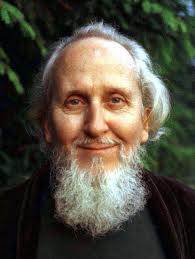
David Berg
|
The Children of God were an extremist Christian missionary community, many of whose members became paedophile rapists while acting as "guardians" of helpless children they victimised. This grouping was founded by David Brandt Berg (1919-94) at California in 1968, initially as a community called Teens for Christ. The son of an evangelical preacher, Berg resorted to an apocalyptic Christianity combined with a hippy approach of free love. He maintained that there should be no limits to sexual contact, regardless of age. During the 1970s, this free love exemplar encouraged adults to have sex with children from the age of twelve, a license which led to excesses in a much lower age group of infants. The danger that such persons create can never be overstated.
The sex addict Berg was a successful evangelist amongst many young hippies in Southern California. The hippy counterculture was addicted to drugs, sex, dirty speech, and loud music. Sensation was the new regime, no matter how much "Eastern religion" was claimed in the misleading mix. Deceived by LSD and other drug experiences, the post-cerebral hippies had no protection against obtuse strategies of the eloquent Berg. The evangelist later reminisced: "I cast in my lot with outlaws, drug addicts, maniacs, and the younger generation."
Californian hippies frequently believed that LSD was a "spiritual experience." They were averse to work and routine jobs. For them, only nirvana here and now, without any effort. LSD hallucinations were compatible with apocalyptic scenarios of preacher Berg. The new converts fell headlong into the antinomian trap. Some became prostitutes and paedophiles while collecting money for the neo-hippy prophet, who was able to manipulate the sexual appetite of converts at the expense of their mental faculties. At this era, hippy lore and conveniences flooded Western countries, reversing moral codes. The inflation of sexual activity was also a speciality of Rajneesh and other neo-Reichian (and neo-Crowleyan) "therapists" claiming the ability to heal and transform. One parent families, internet pornography, and escalating crime are not a sign of cultural perfection. The permissive (and ultra-commercial) industrial society is going nowhere except to very dangerous climate change.
By the end of 1971, over 60 colonies of the Children of God were spread across America and Canada, numbering almost 1500 followers. The leaders were indulging in multiple partners; this activity was unknown to the majority of their followers. In 1974, at Tenerife, Berg commenced a programme of prostitution, which he called "flirty fishing;" this drawback became canonical two years later. His second wife Karen Zerby was a model for this degenerate extension. The target audience began to shift from hippies to more wealthy recruits (Chancellor 2004:15-16).
Berg exhorted his hippy followers to spread the message of Jesus love and salvation without traditional restriction. Very conveniently, he preached that Jesus was partial to sexual activity. He gained intimate access to his female admirers, treating them as a personal harem, in the process eliminating marital arrangements. In his hippy jungle, Berg created erotic videos of these confused women. He is known to have sexually molested two of his daughters and at least two granddaughters. He affirmed that women were created to serve the needs of men.
His version of hippydom changed title in 1978 to The Family of Love (later The Family International), though still frequently known today as Children of God. Many of his followers were now questioning his status and sexual libertinism. About a third of the membership seceded, expressing a disillusionment. Berg dismissed many complaining leaders, whom he apparently now viewed as rivals. Drawbacks in the unfolding events are evident:
He [Berg] alienated the older generation of his mother's friends, destroyed his own marriage along with the marriages of others, probably lost a son to suicide, eroticised the relationship with his daughters and granddaughters, and denounced his eldest daughter, all in the process of the pursuit of his own passions. Scores of young adults who once looked to him for guidance about the most personal aspects of their lives have departed from his organisation with bitterness. Many of those who remained loyal to him are burdened with large numbers of children, have minimally marketable skills, and have sexually transmitted diseases. (Stephen A. Kent, "Lustful Prophet: A Psychosexual Historical Study of the Children of God's Leader," Cultic Studies Journal, 1994, 11,2:135-188, pp. 171-2)
During the 1970s, Berg claimed thousands of converts throughout the world. They were described as God's Elect. Berg asserted that the end of the world was imminent; only his followers would be saved. This is a typical cult resort of fantasy. Many of his American followers emigrated to establish "mission posts" worldwide. By 1977, over 700 Children of God communities existed in 73 countries. Berg himself moved between different countries, while keeping a low profile to avoid bad publicity. During the 1980s, he lived at Hilltop Compound in Antipolo, near Manila (capital of the Philippines). This private luxury compound contrasted with the simple commune accomodation of his followers, where thousands of children were included. He spread his own child pornography to sensually magnetised mission recruits.
Berg was in London during the early 1970s. At this period, the Berg gospel message was attractive to many hippies in Europe. "Find a new life in Christ, drop out, live communally, forsake materialism and share all things, just like the early disciples" (Juliana Buhring et al, Not Without My Sister: The True Story of Three Girls Violated and Betrayed, 2007, pp. 8-9). Jesus lore, and the death of intellect, were welcomed by the parents of three victims now well known. Their English hippy father joined the Berg missionaries in 1973, when he was 22. His new wife was 16, being recruited straight from school in Kent. "Young and idealistic, she thought the Children of God was a bona fide missionary society" (ibid:10). She was disillusioned a few years later, choosing to leave the Jesus confusion and unprincipled hedonism, while her husband remained permanently.
The British authorities grew suspicious of the aggressive preaching style of Berg missionaries, accompanied by their soliciting of donations. Berg then gave orders for his mission to move abroad to India, South America, and the Far East. He declared that the members were all "One Wife," free love now being the rule. There could be no adultery in God's Family. Some members are reported to have been deterred, while others were eager to acquire multiple partners (ibid:14). An extension was the Law of Love, insisting that adult males could have sexual relations with anyone they wanted, including children.
By the end of 1982, 34 percent of the Family were living in Latin America, while almost 40 percent were in Asia. In 1981, there were over 700 children born within the movement. From now on, children comprised the membership majority (Chancellor 2004:17-18). In 1982, the Family published a lengthy book entitled The Story of Davidito, intended for rearing children. The explicit advocacy of pedophilia shocked some readers. After Berg's death, the Family destroyed this book in 1997 to avoid further accusation.
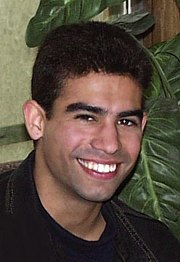
Ricky Rodriguez
|
Davidito (little David) was a designation for Ricky Rodriguez (1975-2005), a person very close to Berg from babyhood as his adopted son. He became the model for child upbringing, here meaning sexual grooming. Rodriguez did not prove a permanent exemplar of sexual submission. In his early teens, he contemplated suicide. He subsequently left the Family and spoke against the regime, including his influential mother Karen Zerby (wife of Berg). He committed suicide at the age of 30, soon after murdering a Family cult member who had abused him many years before. Rodriguez was in evident reaction to his childhood experiences, resorting to a murder knife and a suicide gun. The unhappy ex-member stated that he was avenging children like himself who had been subject to rapes and beatings within the cult.
"I saw children thrown through windows, and even babies were beaten" (statement from Christina Babin, 2019 online). A British hippy and celebrity guitarist joined the Children of God in 1971. A report exists from one of the girls he sexually abused from the age of seven in "many countless incidents":
He used also to love to beat my baby sisters; mostly my youngest, who was a two year old at the time, until she couldn't walk and was black and blue. I counted him beating her senseless ten times repeatedly as a two year old toddler while she screamed and screamed as he locked himself in a bathroom with her and then he came out smacking and licking his lips with the pleasure he had just experienced from beating a child too young for him to sexually molest. (report of Davida Kelley in Jeremy Spencer)
The ringleader David Berg was effectively in hiding from 1971. Law enforcement agencies are known to have investigated the Children of God during the 1980s. Members were accordingly enjoined by Berg to purge or alter their publications. The cult books included advocacy of prostitution, paedophilia, incest, child abuse, and anti-Semitism. The book Heaven's Girl (1987), written for children, includes exploits of "Endtime prophetess," promoted as a role model for girls. This figure, represented in cartoons, welcomes gang-rape by soldiers. That inverse feat is presented as sharing the love of Jesus.
An increasing number of teenagers in this movement occurred during the 1980s. The spread of sexually transmitted diseases was a source of consternation. Some apologists say that this hazard inhibited the degree of sexual freedom.
In 1986, Berg "married" a girl of three, Serena Kelley. At the age of four, the victim was despatched to a commune in Japan, there living with two cult members "who would grope and beat me," to quote from her own revealing accounts (available online). She rarely saw her parents. The paedophile strategy of Berg was to break up families. Serena Kelley was subject to "hours of brainwashing about the 'evil' world, military-like drill to prepare for the apocalypse, cleaning or being sent to beg for money." Her hopelessly indoctrinated mother told the young girl that if God asked her, she would kill Serena as a sacrifice. The victim has stated on the media: "I was beaten and men and boys regularly sexually abused me - it was a part of daily life for me and the other children."
In 1986, Miriam Williams discovered that little girls in this community were being shown sexually explicit material, for the purpose of training them to please men. Fearing for her daughters, she then left the Children of God. She had been living as a cult prostitute for many years, gaining money for Berg and his close circle (Williams, Heaven's Harlots: My Fifteen Years as a Sacred Prostitute in the Children of God Cult, 1998). The AIDS epidemic dented enthusiasm for Family prostitution in 1987.
In a letter of confession, Berg admitted that "he was an alcoholic who had ruined his oesophagus and stomach through heavy drinking, but he blamed his drinking binges on those who had deserted and betrayed him" (Buhring et al, 2007:46). The realistic status of his alcoholic missionary fantasies is nil. Berg and his vicious supporters betrayed thousands of children confined in sordid communes. Gentle Jesus, meek and mild, merciless rapist and baby-basher. The Jesus pantomime for sex addicts became translated into the adamant belief that ministrants and victims were following God's Will. "We were simply his [Berg's] playthings, his followers, used to fulfill his ambitions, lusts and fantasies" (ibid:28). The child victims had no due education, no medical care, and no human rights amongst the missionary hypocrites who tortured them.
During the late 1980s, the Family leaders resorted to Victor programmes or "prison camps" in Japan, Thailand, and the Philippines (the worst one being at Macau). These sites were reserved for disillusioned teenagers. There were now many young people in the communes who were resentful of the routine and bizarre doctrines imposed on their lives. The cult leaders imposed a stern regime of control that caused further reaction and departures. The inmates were locked in solitary confinement for weeks, being starved and beaten with a board until they confessed "sins." This twentieth century inquisition forced inmates to exercise in the hot sun until they passed out. Some were fainting from hunger. A "new religious movement" can be diabolical.
.jpg)
Merry Berg
|
One of the primary victims was Merry Jolene Berg (1972-2017), an unfortunate granddaughter of the alcoholic pseudo-prophet. She is reported to have been repeatedly sexually abused by this ogre. During 1983-87, she lived at his elite compound in Antipolo, where "she underwent severe physical, sexual, and psychological abuse." She was then in the age bracket of 11-14, completely helpless against the grotesquely ranting Jesus catastrophe super-bully. In court testimony, Merry Jolene described David Berg as a chronic alcoholic. "Many times they [David Berg and his close circle] would beat me, they took my head and beat it against the wall and bruised me." She was also beaten with rods, while paddles were used to strike her bare buttocks.
Afterwards, the malevolent headbashers sent her to a Children of God detention camp in Macau, where Merry Jolene suffered further abuse, being locked in a room for six months. At Macau, Merry and other complaining teenagers were subjected to harsh punishments, including beatings, forced fasting, and hard labour. Superstitious and manic exorcisms, together with pious lectures of admonishment, were in accompaniment. Sexual abuse was another reported endurance test. Merry Jolene suffered a complete mental breakdown, during which she had to be spoon-fed. The victim suffered incontinence, and pulled out her hair in moods of desperation. As a consequence of this tragedy, she was eventually admitted to a psychiatric hospital. Later she returned to America, where she recovered outside the afflicting organisation she detested. She left the cult at the age of eighteen.
In 1995, Lord Justice Sir Alan Ward made a judgment about this victim during a lengthy child custody case (in relation to another member of the cult):
Who could blame the girl for lacking respect for a man so revered by others when she knew from her personal knowledge that he was foul mouthed, drank too much and sexually abused her. For this she was brutally punished. (Merry Jolene Berg)
At this period, Berg was under pressure in Argentina, facing investigation from Interpol and the FBI. He fled to Portugal, where his death occurred in 1994. The Family International continued under the leadership of his wife Karen Zerby (alias Maria and Queen Maria), who had assisted her husband for many years, gaining the repute of a severe authoritarian and paedophile (her sordid activities allegedly included her own son as victim, namely Ricky Rodriguez, who later wished to confront her for crimes prior to his suicide). Some say that Zerby was the effective leader of the movement from 1988, when Berg effectively retired because of failing health.
Zerby's organisation contested the lengthy child custody case in Britain, while eventually agreeing to alter their doctrine. The British legal system was very critical of this sect, but in the last analysis, lenient toward a community extending paedophile abuse. The Family were eventually successful in conveying the impression that a transformation had occurred within their ranks. This tactic is viewed as a deceit by ex-members. Oxford University Press published in 2004 an apologist article on the Children of God by a compromising theologian, misleading many readers. This article was included in a prestigious publication featuring elite credentials.
Meanwhile, in America Christina Babin was taken to the Colorado commune as a baby by cult members, including her mother. Her father was in disagreement; she was nevertheless forcefully removed from home. First sexually abused at the age of twelve, she has since disclosed relevant details on the media. Another American informant is Jemima Farris, born into a Seattle commune of the same sect in 1972. At the age of twelve, Farris was placed on a "sharing" schedule, meaning enforced availability to different men each night of the week.
The Children of God took root in Scotland, creating communes in Edinburgh and Glasgow, gaining thousands of members within a decade. Young victims were frequently raped by paedophiles. Some child victims were sent by aeroplane to other neo-hippy cult rapists in countries including Pakistan and India. The child victims were often born into the cult. They lived in isolation from the outside world, as prisoners of paedophiles. Curtains were always closed and doors boarded up.
The rape survivor Verity Carter was one of the Children of God in Scotland. She was abused from the age of four by cult rapists, including her father. She was repeatedly beaten and whipped for trifling transgressions or asking questions. Her parents pretended to be Christian missionaries in the Berg cause of acquiring donations; she was forced onto the streets "to trick people into donating money." According to Carter, this extremist organisation "actively encouraged sexual activities among minors as young as two or three years old." Carter escaped at the age of thirteen, resorting for years after to drugs and alcohol in an attempt to forget her past (Children of God cult was hell on earth, 2018). Many other victims of the Berg cult committed suicide.
Hope Bastine, another survivor in Scotland, was abused from the age of four by a man eventually jailed for eleven years in 2020 (Children of God cult rapist jailed for horrific offences). She says that the Children of God gained a global membership of 25,000, with just under 15,000 of these people being mistreated children (Children of God Survivor, 2020). The minors received no formal education, and were threatened with terrors if they disclosed details to outsiders creating bad publicity. Outsiders were regarded as Antichrists by the nominal Elect.
.jpg) 
image to right: Natacha Tormey, courtesy Natacha Tormey
|
Many second generation members left the Family. The substantial exodus is significant. One of them was Natacha Tormey, born in 1983 to French hippy parents associated with the Paris venue of the cult. The Paris commune presented a front in which Bible study featured, while drugs and alcohol were frowned upon (even while David Berg was consuming large quantities of sherry). The Tormey couple gave birth to many children within the cult. These offspring became oppressed slaves while earning money for the distant patriarch Berg (alias King David). Natacha's parents survived by busking and begging, only being allowed to keep ten percent of their earnings. The year she was born, they were sent to a commune in Thailand. Her mother protested when Natacha's young brother Vincent was viciously beaten by one of the inmates. As a punishment, the mater was sent to a freezing cold location in Siberia, while heavily pregnant.
At the age of only four, Natacha was sexually abused by a man who was her teacher, being in charge of her group of three to five year olds. This man, in his late 20s/early 30s, was delegated to tend her when she was ill. She relays: "I believe my mind is unable to deal with the horror and has blocked out some of the worst of what happened."
From an early age, the French victim was taught to believe that she had a special destiny, as part of an elite children's army of Christian soldiers whose purpose was to save the world from Anti-Christ. Natacha and other victims were promised a "superpower," meaning they would be able to strike enemies dead with a glance. In reality, she and her siblings were separated from their parents to live in miserable dejection at communes in South-East Asia, East Africa, and France. They were subjected to such experiences as daily beatings. Another role was that of being forced to sing and dance as entertainers in markets and prisons. The underfed children lived in poverty, wearing tattered clothes, the money they collected being reserved for the wealthy alcoholic David Berg. See Tormey, Born into the Children of God: My Life in a Religious Sex Cult (2014).
On the media, Tormey has described how married people in the Family were obliged to share their partner with single persons. This became a strongly pressured norm, with punishment for resistance. Even pregnant women were pressured onto infamous rotas of sexual partners. Conveniently enough, abused children were too young for pregnancy. Tormey conveys that orgies occurred in every commune. Punishments for women included being sent away on a fundraising mission; they returned to find that their entire family had disappeared, despatched to another commune or country.
This extremist organisation included prayer and prostitution. Women were told that they were "God's whores." Their role in this direction was regarded as a potential means of conversion. They were instructed to visit bars to lure men for sexual activity. This pursuit could bring in more money and create more offspring or "Jesus babies" to swell the ranks of Berg followers. Girls from the age of ten were used in this recruitment tactic, called "flirty fishing" in the peculiar vocabulary devised by the alcoholic pseudo-Jesus pimp.
If the children mentioned sexual abuse, they would be blamed for lying about adults. The punishment could be severe. Victims were beaten with fists, poles, and planks. The assailants apparently enjoyed this sadistic bullying. One girl who complained was made to stand alone for weeks with a placard around her neck declaring: "I am on silence restriction for telling lies." When Natacha was twelve, she was sent to France, where she at last lived in a normal house, playing outside for the first time in her life. After the death of Berg, conditions seem to have relaxed, at least in France. Serious problems still existed. Natacha escaped at the age of eighteen.
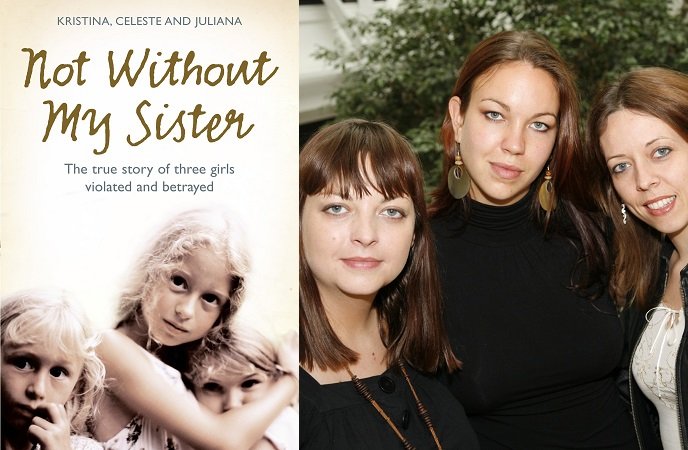
A bestselling book; adult image, l to r: Kristina Jones, Juliana Buhring, Celeste Jones
|
Another victim, Juliana Buhring, became widely known for conveying that the oppressive Jesus missionaries "wanted to cleanse us of our own personalities, so they constantly told me I was worthless, to break me; at fourteen, I tried to jump out of windows and slit my wrists." Her sister Kristina Jones escaped from the Berg paedophile hell when twelve years old, her childhood being "one of sexual abuse, enforced prostitution and regular savage beatings from her mother's then boyfriend" (Not Without My Sister).
Ex-members, and also others, have sometimes asked why the leaders of Family International were not brought to justice. Academic "cult apologists" have for long mitigated the issues involved. This factor was assisted by their elite publishers in University Press.
One instance was that of the Reverend J. Gordon Melton, whose initial critical attitude to the Children of God changed to one of support. Critics say the organisation paid him to change tone. Melton even testified in defence of the controversial sect during the British court case of 1992-95, assisting the Family to offset evidence of child abuse. In more general terms, Melton is well known for asserting that the testimonies of ex-members of “new religious movements” are invariably distorted. This contention was very convenient for culpable parties.
Melton also defended Aum Shinrikyo. He and his colleague, Professor James R. Lewis, took a flight to Japan at the invitation of Aum, who paid for the visit. Lewis and Melton implied that Japanese police were infringing human rights of the sect. These American academics were not familiar with the chemical laboratories of Aum Shinrikyo, unlike the Japanese police. After three days of interviewing Aum leaders, Lewis declared to a Japanese press conference that Aum Shinrikyo did not have the ability to manufacture the poison gas sarin. Instead, the sect were being unjustly accused by critics. The claims of Melton and Lewis looked absurd when Aum Shinrikyo emerged as lethal sarin terrorists with a manic agenda of death.
Ten years after the demise of David Berg, James Lewis was co-editor of a prestigious academic book featuring an apologist article on the Family. This item contained various defensive and eulogistic statements, including an unqualified claim that after his death: “Father David [Berg] continued to speak regularly and guide the Family from the Spirit World.” The alcoholic persecutor and sexual abuse strategist was here exalted as a metaphysical guide in the hereafter. The quote is from James D. Chancellor, “A Family for the Twenty-first Century” (13-36) in James R. Lewis and J. A. Petersen, eds., Controversial New Religions (Oxford University Press, 2004) p. 21.
James Chancellor (an American theologian) had earlier written the book Life in the Family: An Oral History of the Children of God (Syracuse University Press, 2000). This work, presenting the views of Family members, has been considered very misleading. The Foreword by American sociologist William Sims Bainbridge is deferential. The Family are described as “a potentially healthy religious reaction to an advanced state of secularisation” (Chancellor 2000:xii). More metaphysics is presented. “They [the Family] experience direct contact with the spirit world.” There is no reference to oppressive detention centres or paedophile activity.
An articulate response came from Perry Bulwer, a human rights advocate and secular humanist, also an ex-member of the Family who joined in 1972, staying for almost twenty years (Bulwer, “A Response to James D. Chancellor’s Life in the Family,” Cultic Studies Review, 2007, 6,2:101-159). This critical angle reiterates that the Family approached Chancellor and many other academics interested in New Religious Movements. The Family wanted an account written from their own perspective. Chancellor obliged after interviewing more than 200 Family members during the 1990s. Ex-members are here effectively irrelevant. Dissident accounts are excluded in “a one-sided, incomplete history.”
Bulwer reminds that the judgment of Lord Justice Sir Alan Ward, in a relevant British legal case of 1992-5, refers to deceptive Family testimonies. Family witnesses withheld incriminating documentary evidence from court. Bulwer observes that apologist Chancellor ignores the alcoholism of Berg, his anti-Semitism, Family teachings on rape, and Family beliefs concerning sexual relations between adults and minors. Family publications are replete with very negative references to Jews.
Berg admitted that he once consumed sixty-nine bottles of sherry in twenty-one days. He was not a teetotaller. His drinking habits are well documented in his writings from 1971, though most of his followers were not aware of his alcoholism until many years later. Bulwer concludes: “Much of his capricious and abusive behaviour, wild speculations, bizarre beliefs, and supposed prophecies used to control members can be traced directly to the large amounts of alcohol he consumed.”
In 1980, the vehement Berg ridiculed an American female follower who was stabbed to death. He blamed the victim for her own murder, believing that she resisted a rapist (Bulwer text relevant to note 146). Women and girls were not permitted to resist in this insane version of Christian charity.
The Family were subsequently tending to claim that the worst abuses occurred before 1978. Bulwer emphasises that the majority of abuses occurred for long after that date. Chancellor glowingly refers to a new era of democratic reform associated with the Family Charter of 1995. Bulwer is clearly resistant to this interpretation. In 1992, the key leader Karen Zerby (Maria) was still supporting Berg’s Law of Love in terms of permitting sexual contact between adults and minors. A relevant document was withheld from the British court custody case of that period.
Victor Program was a resort of Family leaders during the late 1980s and early 1990s. This extension implemented harsh discipline for young people reacting to their Family environment. The venues are sometimes called re-indoctrination camps. Victims were subjected to hard labour, corporal punishment, public humiliations, strict diet, isolation, and silence. A compulsory “smile machine” was introduced, an evident reaction of overseers to the fact that natural smiles were rarely (if ever) in evidence. An elastic device was attached to ears and mouth to create an artificial smile. The manipulation of reactive moods is so obvious that anti-brainwashing campaigners are disadvantaged. This is one reason why many parents tried to abduct their children from the Family mistreatment. Various state authorities in different countries raided the communes, with emotions at high pitch on the part of protesters.
Chancellor fleetingly refers to the abuse of Merry Jolene Berg in a footnote of one sentence, simply stating that she gave testimony of abuse in a British custody case. Bulwer points up the acute disparity of this studiously sanitised approach. The lengthy ordeal of Merry Jolene, during the 1980s, was far more significant than apologism could admit. Another victim, Ricky Rodriguez, witnessed fresh and large bruises Merry suffered on a daily basis. The remorseless and relentless Family leaders published documents detailing the punishments and exorcisms applied to the hapless and tragically brutalised teenager. Merry Jolene was demonised as a devilish and defiant enemy of the holy sex experts. Bulwer relays that these reports “unleashed a wave of similar abuse directed at the Family’s second generation in re-indoctrination camps, similar to the one in Macau, that were set up in various countries.”
Even before the Macau phase, treatment of Merry Berg was severe at Antipolo. Karen Zerby (influential wife of David Berg) gained a close associate in Peter Amsterdam (Steven Douglas Kelly), alias King Peter. Amsterdam boasted that he spanked Merry “real hard.” According to eyewitnesses, he spanked the “nearly bare buttocks” of the 14 year old victim “with his belt in front of about 25 Family leaders and World Services staff members; she received severe abuse from other members of the Berg and Zerby entourage, who tied her to her bed at night and dealt beatings which caused her to vomit and faint – this was ordered by David Berg, and carried out under the direct supervision of Zerby and Kelly [Amsterdam]” (Peter Amsterdam).
Lord Justice Ward made a judgment concerning Peter Amsterdam: “I find he was corrupted by the sexual freedoms his revered leader offered him…. There is evidence that Amsterdam ‘shared’ with Merry Berg” (article last linked). Sharing is a Family term for sexual relations, so often coerced by the invasive attitude of free love and paedophile tendency. Elsewhere, in University Press, manic and painful exorcism of purported devils is glossed by sociological exegesis of “direct contact with the spirit world.”
Lord Justice Ward reflected on the Macau detention centres (plural): “The truth is that these children were there to have their spirits broken by whatever means it took.” Professor Steven Kent has observed: “Adult sexual exploitation of young girls almost certainly continued at Macau’s Detention Teen Programme” (other reports are more categorical). See also Kent and Theresa Krebs, Clarifying Contentious Issues: A Rejoinder to Melton, Shupe, and Lewis (Skeptic, Vol. 7 no.1, 1999), referring to J. Gordon Melton's description of the Family in terms of "positive sexuality, a strong moral code, and a loving environment."
Bulwer reflects that Lord Justice Ward repeatedly censored Family leadership, doctrine, and practice. The elite Justice nevertheless made a concession to Family strategy when the leaders complied with his ruling. Karen Zerby and her accomplice Peter Amsterdam were then introducing to their members a new sexual doctrine taught to both children and adults, including the act of “masturbating to Jesus.” Like Berg, the new leaders “continued to deliberately and systematically create a highly sexualised environment in Family homes despite their contrary claims to Ward” (Bulwer quote). See also Bulwer, “A Rejoinder to James Chancellor’s Response to my Article,” Cultic Studies Review (2007) Vol. 6 no.2.
No Regrets is the statement of another ex-member of the Family International. James Penn was very familiar with disconcerting aspects of David Berg, his wife Karen Zerby, and Peter Amsterdam. Penn (Gideon Valor) spent 27 years in the Family until 1998, being a long term participant in World Services, a group dealing with finances and publications. He describes how Zerby and Amsterdam covered up sexual abuse of children. Lord Justice Ward urged Zerby to recant; under this compulsion, she instructed the Family not to indulge in sex with minors. This amounted to a facesaver in a difficult court case. The relevant document GN653 contrasts with another of the same period, meaning GN555 entitled Our Beliefs in the Law of Love.
In early 1993, Zerby stated in GN555: “If someone were to specifically ask us if any intimate contact between an adult and a minor is inherently wrong, abusive and bound to cause psychological harm, we would have to honestly answer No.”
In the Charter of 1995, Karen Zerby appeared to relinquish her power. However, she soon afterwards reasserted her control. “Maria [Karen Zerby] is obsessed with control,” comments Penn. The same ex-member reflects: “I grew to hate Maria and Peter’s attempts to control, manipulate, indoctrinate, and mould the impressionable and often trusting children and young people in the Family.”
In 1998, Zerby and Amsterdam (Maria and Peter) printed the Cool Sex handbook in Mexico, a document including extremist “Jesus sex” diction. US Customs confiscated the shipment involved, claiming that the last four pages of the handbook were pornographic. Penn was not enticed by this new degradation, departing from the Family that same year.
24.6 FECRIS
FECRIS is an organisation based in France, decoding to the European Federation of Centres of Research and Information on Sectarianism. The annual FECRIS conference of April 2008 was held at Pisa. The theme was “State Responsibility to Protect Citizens Against Destructive Cults.” Reports were contributed from convergent organisations in France and Italy. News also came from the Belgian government about their Board of Enquiry into destructive sects, which decided to take action against Scientology. A report from Austria described the federal office established in 1998 to monitor disturbing activities of cults. A Polish representative described research into pathological behaviour in groups. There were yet other reports from different parts of the world. This FECRIS conference was arranged in association with the Italian organisation ARIS (Association for Information and Research on Sects). The event was considered significant by partisans for coordinating insights into a variety of actions being undertaken across Europe (Rod Marshall, “FECRIS Conference Report,” FAIR news, April 2008, p. 18).
There are also strong critics of FECRIS, who interpret the anti-cult measures in terms of undermining freedom of belief. In 2020, the District Court of Hamburg found FECRIS guilty of untrue allegations relating to Jehovah's Witnesses (though not all the allegations involved overall were wrong). Human rights organisations, including Amnesty International, have contradicted the position of FECRIS. Opponents say that FECRIS is strongly influenced by an activist of the Russian Orthodox Church, namely Alexander Dvorkin, the Vice-President of FECRIS. This officiant is described as an enemy of religious minorities. Dvorkin has become notorious for his opposition to Hinduism and other communities.
24.7 The INFORM Debate
FAIR published an unhappy letter received from the mother of “a disconnected daughter in Scientology.” The mother attended an INFORM seminar in Nov. 2006. The visitor wished to find out what was involved in the organisation known as INFORM, an information network in the UK consulted by the British government on all matters relating to religious movements. The leader of this network was Emeritus Professor Eileen Barker, who introduced the well attended seminar. The unhappy mother now found her suspicions confirmed that INFORM exercised a condoning attitude which “believed just about all religions.” The meaning here is one of an uncritical viewpoint extending latitude to the many organisations frequently dubbed “new religions.”
However, the visitor at the INFORM seminar listened appreciatively to a lawyer from Belgium, namely Henri de Cordes, the President of the Centre for Information and Advice on Harmful Sectarian Organisations, located in Belgium. This speaker warned about sectarian activities, also referring with approval to a Belgian government enquiry into the illegal activities of cults. That enquiry had resulted in a new criminal law coming into process in 1998, a law including the power to confiscate illegal profit of dubious sects, and the mandate to clamp down on the exploitation of ignorance or weakness affecting mental states of converts. The lawyer was heckled during and after his speech. One resisting member of the audience stood up and said that the Belgian law was terrible, while expressing the hope that this would never happen in Britain. The unhappy mother reports that almost the whole audience applauded this strong objection, including committee members of INFORM. The correspondent ends by complaining that “the attitude of INFORM and many of those attending the seminar was disgraceful” (FAIR news, Issue 2, 2007, p. 18).
Eileen Barker, Tom Sackville
There have been other complaints about the policy of INFORM, which critics depict as glossing the activities of dubious sects and organisations. The standpoint of INFORM is frequently considered weak in critical drive. INFORM has very partially addressed a basic issue:
Although 'cult' and 'sect' are used as technical terms by sociologists of religion, these terms have come to be used as pejorative labels in popular parlance, often telling us more about the attitude of the speaker than about the movement in question. (When is a Religion a Cult, formerly online)
Sociologist Eileen Barker authored the well known New Religious Movements: A Practical Introduction (London:HMSO, 1989). Amongst critics however, allegations of flawed methodology on the part of INFORM “raised important issues about the extent to which the British government has been improperly advised and influenced by cults” (FAIR news, Dec. 2006, p. 2). Barker’s amenable depiction of “new religious movements” is interpreted by critics as closely reflecting the versions preferred by these movements, i.e., the cults.
INFORM was founded in London, in 1988, with the support of the Home Office and mainstream churches. The objective was to provide up to date information about "new religious movements," a phrase employed as an alternative to the pejorative of "cults." Professor Barker, in her book New Religious Movements, states that the designation of NRM (New Religious Movement) refers to a varied assortment of organisations, most of which have emerged in their present form since the 1950s, a fair number of these originating in North America, especially California. However, numerous new religious movements also originated in the East, especially India. A minority of these movements originated in yet other countries, including Britain.
The website of INFORM claimed a unique role in aiming "to alleviate unnecessary anxiety through the provision of accurate, objective information about new and/or alternative religious movements." The claim has been contested. However, certain statements of INFORM are relatively easy to accept, such as the following quote:
Some members of some religious movements commit crimes; the organisational structure of some religious movements opens the way for abuses of authority. But criminal, dangerous or 'anti-social' behaviour is by no means typical of all religious movements.
The issue of defining "cults" is complex, not least because there are different factions involved in that pursuit of definition. There are both Christian and secular versions of "countercult," and yet other more discreet analyses not specifically aligned with such labels.
Two of the phrases I have used are "suspect organisations" and "suspect parties." These designations do not necessarily imply a cult, but simply a malfunctioning body. The description of "suspect organisation" also applied, via dissident and critical reports, to two or three "alternative" groupings that were the subject of circulars I despatched in 2006. The mailing list included hundreds of academics, politicans, and yet other categories of recipient. Professor Eileen Barker (of INFORM) was one of the many academics included in the CC. lists of my Letter of Complaint to David Lorimer. Like some other academics, she failed to respond in any way. This does not prove that citizen complaints are wrong. See also David Lorimer and the SMN, also Contesting New World Values.
In contrast to the barriers encountered in some channels, many British politicians replied to my circulars of 2006, some of them even sending personal messages of sympathy and acknowledgement (including David Cameron). In addition, some Christian notaries such as the Archbishop of York also gave due acknowledgement, while a leading Muslim scholar living in the West (Professor Seyyed Hossein Nasr) responded in a clarificatory manner.
For an instance of real life sectarian affliction, see Analysis of a Cultist Defamation. In the early stages of this problem, I notified a few organisations supposedly expert in such matters. None of them rose to the occasion; one indifferent party was even disposed to believe the defamation. I had to deal with the defamation myself, with the support of a lawyer. I discovered that both academics and citizens had scant knowledge of disconcerting events relating to a well known and influential Indian guru, many of whose Western followers had become acutely disillusioned.
INFORM was at a serious loss with developments in India. For instance, this agency could scarcely cognise the existence of Indian Rationalists, a literate fieldwork contingent who knew far more about gurus and holy men than Western sociologists producing sanitised reports amounting to fiction.
While objecting to the monotonous label of "cults," INFORM replaced this with another blanket designation, meaning New Religious Movement (NRM). This tag was even more misleading, because potential and actual hazards were effaced by the fashionable umbrella phrase. NRM is a meaningless cosmetic application that misled numerous citizens. Far too many of the new religious movements transpired to be in the suspect category (including high danger instances now well known).
The academic "pro-cultists" are strongly contradicted by a large number of citizen victims. The innovation of NRM accompanied a global problem in which many citizen victims were raped, robbed, exploited, stigmatised, harassed, and murdered by "new religious movements." INFORM boasted a lengthy descriptive catalogue of NRMs, which critics considered misleading.
24.8 The Family Survival Trust and Social Psychology
The Family Survival Trust (previously FAIR) is strongly associated with The Hon. Tom Sackville, a former Conservative MP and Home Office Minister, who urged that a more exacting attitude towards cult trends should be encouraged in official circles. In the 1990s, Sackville worked to abolish government funding for INFORM, the basic reason being that Professor Barker was resistant to any classification of new religions as cults. The Sackville pleading was subsequently reversed. INFORM was again sanctioned by officialdom. The protester was attacked by Scientology, also related groupings who interpreted his approach as insular and distorting.
Sackville became the new Chairman of FAIR in 2000. FAIR denoted Family Action Information and Resource. The name subsequently changed in 2007 to The Family Survival Trust (TFST). This British organisation “challenges practices, not beliefs,” and “supports relatives and friends affected by cults.” The FAIR news bulletin was careful to state “that groups mentioned in this newsletter do not necessarily fulfil the criteria of ‘cult’.” Academic arguments about what comprises a cult are notorious for differences. According to TFST:
A cult is not necessarily a religious group.... Cults can also take the form of therapeutic, commercial, educational, self-help, pseudo-scientific and various spiritual groups. (What Cults Are, formerly online)
The same organisation made a strong point against the negligence of government departments. “A criticism that is often heard in FAIR circles is that the British government listens only to a restricted number of sources and individuals in seeking to create policy in this area; any narrow process of consultation, i.e., one that depends on the resources of a single discipline, is bound to be flawed” (Stephen Parsons, “Cults and religious extremism: Some reflections,” FAIR news, Issue 2, 2007, pp. 4-5). The contributor here favours social psychology as a complement to sociology, especially that branch known as social identity theory, which is traced back to the 1970s and the pioneering work of Henri Tajfel (1919-1982) and others.
Parsons approvingly cites Peter Herriot, Religious Fundamentalism and Social Identity (2007). A basic theme favoured is: “Each of us possesses, in addition to our individual personal identity, a variety of social identities which we acquire through membership of the groups to which we belong” (ibid). A strong component of such identities is here stressed in terms of “our need to boost our self-esteem and individual significance.” Social identification with, e.g., kin groups, football teams, and churches, are given basic denominators.
Fundamentalist movements are known to emphasise the contrast between their own elite group and society at large, fearing liberal ideas or opposing doctrines identified with unbelievers. The fundamentalist/cultic group provides meaning and predictability facilitating a sense of control, eliminating uncertainties by strong convictions. Surrender to the group identity provides an emotional outlet and social need. The suggestion is made that the member of a cult can be viewed “as an individual whose life experience has not provided him/her with the self-esteem that is needed,” deriving from a deficit in emotional and social life. This situation involves “the flimsy, often dishonest, answers provided by the group leaders who seek to exploit these needs” (ibid).
24.9 From CAN to Alexander Dvorkin
"Social psychology" explanations are more measured than the extremist tendencies afflicting some anti-cult exponents. The activity known as “deprogramming,” signifying the elimination of unwelcome beliefs, is associated with acts of coercion and the profits gained from “exit counselling.” These tactics became widespread in America, being attended by anecdotes such as the "cult expert" who tried to force a Roman Catholic convert back to her native Protestantism.
The vogue for deprogramming was supported by the Cult Awareness Network (CAN), founded in reaction to such disconcerting events as the Jonestown mass suicides in 1978. By the 1990s, CAN was monitoring about two hundred “mind control cults.” CAN was driven into bankruptcy by Scientology.
Increasing numbers of ex-devotees, and other discontented categories, complained at "new religious movements," as many afflictions were now known. The late 1990s internet expansion assisted the exposure of some dubious and shocking tendencies. The exodus from the Sathya Sai Baba sect alone is sufficient evidence of a disturbing situation. However, there are many other instances (usually on a smaller scale). These disillusioned parties have complained that academics take no effective interest in events of secession and distress. The academic arguments frequently fall short of such data, or else give fragmented references, instead tending to opt for routine emphases that are tidily tucked away in status journals far removed from scenes of real life.
Academic interest in such matters frequently occurs in isolation from public concerns, being effectively non-existent from a public participant point of view. Do prestigious conferences achieve anything very tangible for the public victims when the general level of recital and debate is still one of very basic formulation and argument? The realistic answer is no.
Alexander Dvorkin
The academic sector of commentary became divided into three basic camps, respectively depicted as “cult apologists,” the “anti-cultists,” and the “reconciling” party. This scenario has even been called the academic “cult wars.” A citizen may be sceptical of the overall landscape, which has created many confusions.
One of the anti-cultists is Dr. Alexander Dvorkin, a supporter of the Russian Orthodox Church. In 1997, he was the target of a lawsuit filed by Scientology and other new religious movements, who objected to criticisms he had made against them. The lawsuit in Moscow failed. This event was also the focus for a difference of opinion between Dvorkin and Eileen Barker, who testified on behalf of the opposition against Dvorkin. In this fraught situation, Dvorkin subsequently alleged that Professor Barker had been paid by the Moonies to give evidence. Barker denied receiving money from the Moonies or any other sect (this disagreement surfaced in a FAIR conference at London in 2006).
Dvorkin criticised Barker for a reductionist version of the cult issue. Amongst other drawbacks in her approach is the exclusion of reports from ex-members of suspect movements. Dvorkin sceptically relayed a Barker doctrine: "The scholar must not use former cult members as a source of information about cults because their information is clearly not objective" (quote from Dvorkin, "Are There Objective and Scientific Studies of NRM?", 2006). Big holes in history have occurred when first-hand reports were ignored.
More recently, Dvorkin has gained the reputation of an anti-Hindu insularist and fundamentalist oppressor of religious minorities. In his book Sectology (2008), he stated that Hinduism was the core of the "religions of the Anti-Christ." This bias evidently relates to the contemporary political situation in Russia. "The Russian government is waging a campaign to systematically remove all non-Russian Orthodox religions from the country" (Russia waging war on religious minorities, 2018). The tendency to repress religious minorities is a sign of serious error. "Dvorkin even asserted in the same book that Hinduism is linked to, and exerts influence upon, 'the Nazi doctrines of neo-pagans'."
24.10 Eileen Barker, Steve Hassan, Margaret Singer, and Janja Lalich
Eileen Barker is an Emeritus Professor of Sociology associated with the London School of Economics. In 1988, she founded INFORM with the support of the British government and mainstream churches. INFORM stands for Information Network Focus On Religious Movements. Barker contributed The Making of a Moonie: Choice or Brainwashing? (1984). In this book, she rejected the brainwashing theory as an explanation for conversion to the Unification Church, commenced in Korea in 1954 by Sun Myung Moon (1920-2012), who proclaimed himself to be a messiah. The intensive recruitment methods of that organisation became notorious in America during the 1970s. A favoured recruitment technique was "love-bombing," influencing converts to reject their familes and gift their possessions to the Unification Church.
 .jpg)
l to r: Sun Myung Moon, Steven Hassan
|
Sun Myung Moon achieved the status of a billionaire, exercising a strong influence in both America and Korea. He acquired a luxury home in New York, while holidaying in a luxury boat. His extensive business enterprise included an international news media and weapons factories in South Korea. A setback occurred when, in 1982, he was sentenced to jail for 18 months in America for tax evasion. He claimed that he could unite all religions through arranged marriages. In 1988, he married 6,516 couples at the Olympic Stadium in Seoul.
The messianic Sun Myung Moon told an interviewer: "I will conquer and subjugate the world." In 1995, the British government banned him from entering the United Kingdom. In 2003, one of his sermons provoked outrage for a statement that the Holocaust was retribution to Jews for killing Jesus.
A strong critic of the Unification Church is Steven Hassan, a former convert recruited at the age of nineteen in New York. The date was 1974, after Moon had moved to America. For over two years, Hassan joined the cause of attracting new members, raising money, and preaching the creed of Sun Myung Moon. Hassan ceased attending college, surrendered his bank account, and wore T-shirts declaring: “I am a Moonie and I Love It!” He later reported how converts believed that the advent of Moon had been “scientifically proven.”
A disillusioned Hassan concluded that techniques used by Moonies were similar to those employed by Chinese Communists to exert obedience. He founded Ex-Moon Inc. Hassan transited to the career of an anti-cult counsellor, and wrote the well known book Combating Cult Mind Control (1988). A more recent work is The Cult of Trump (2019). Hassan is frequently described as a leading cult expert (The Man who wants to Free Trump Supporters from Mind Control).
Critics of Hassan have described his output as unscientific, making a career from a moral crusade. In 2007, he was charging 2,500 dollars a day for “home visits and interventions.” On the credit side, Hassan has alerted many people to the dangers of unwise participation in suspicious groupings. One can only wonder at the risk involved in such episodes as the Yoga community accused of secretly drugging a woman, “forcing her to hike in the 90 degrees heat of the Arizona desert with little water and a backpack full of rocks during an initiation ritual” (Catherine Elton, The Other Side of Enlightenment, 2007).
A concern was raised about the involvement of sociologists in conferences of the Unification Church, which paid the expenses of participants. Other complications also arose. "Numerous groups beyond the Unification Church have learned the value of successfully courting academics and, as a result, the social scientific study of new alternative religions has suffered" (Stephen A. Kent and Theresa Krebs, "Academic Compromise in the Social Scientific Study of Alternative Religions," Nova Religio, 1998, 2,1:44). The point was here made that, as a consequence of such patronage, academics had enhanced the reputations of controversial religious ideologies at the expense of duly objective procedures.
Psychologist Margaret Thaler Singer (1921-2003), and sociologist Janja Lalich, disputed Barker’s rejection of the brainwashing theory in their famous book Cults in Our Midst (1995). They accused Barker of being a “procult apologist.” The two American academics also strongly criticised Barker for accepting funding (relating to her book and conferences) from the Unification Church. Professor Barker defended her position by stating that the funding had been approved by her university and a government grants council, and furthermore saved taxpayer money. In a paper written the same year, Eileen Barker complained that “deprogrammers” charged tens of thousands of dollars for their services, while witnesses such as Singer “have charged enormous fees for giving testimony about brainwashing in court cases” (quote from Wikipedia Eileen Barker, accessed 24/01/2013).
Singer is reported to have been harassed by cult partisans. Supporters say that her depiction of what predatory organisations have done to converts is more convincing than cosmetic accounts of hazardous events.
l to r: Margaret Singer, Janja Lalich
A Professor of Psychology in California for many years, Margaret Singer was a major proponent of the brainwashing theory, which she also described as mind control or thought reform processes. Singer warned against "a plethora of groups, using intense, well packaged psychological and control methods" (Singer 1995:xviii). From the 1960s, there was a substantial increase of "independent entrepreneurial groups that go into the mind-manipulation and personality-change business" (ibid:xxii). That means the commerce in vaunted "transformation." Singer also warned that a number of cults "use their wealth and power to harass and curb critics.... to harass, financially destroy, and silence criticism" (ibid:xxiii). The relevant conclusion is expressed: "Defending himself or herself against the false accusations made by some of these cults can break the ordinary person" (ibid).
Janja Lalich is Professor Emerita of Sociology at California State University. See Lalich, Captive Hearts, Captive Minds (1994; second edn, 2006, entitled Take Back Your life: Recovering from Cults and Abusive Relationships). See also Lalich, Crazy Therapies (1996); Lalich, Bounded Choice: True Believers and Charismatic Cults (2004), including a focus on the Heaven’s Gate suicide sect. Of more recent relevance is Lalich and Karla McLaren, Escaping Utopia: Growing Up in a Cult, Getting Out and Starting Over (2017), describing 65 cult survivors from 39 organisations in more than a dozen countries.
Lalich has described brainwashing as a misunderstood concept, herself preferring the term “bounded choice.” She coined that phrase to describe the way in which a “true believer” is constrained by the choices available within the cult, choices which may seem extreme to outsiders but are understandable options within the cult environment. Lalich herself was formerly a member of a “radical political cult” known as the Democratic Workers Party. She has contested the view of some sociologists that freedom of religion is at stake in the issues under discussion. According to Professor Lalich, religion is the wrong description for the problems denoted.
The "bounded choice" explanation reveals that cult leaders tend to capitalise on the idealism, dedication, intelligence, and utopian dreams of their members. This ratíonale contrasts with the crass ignorance or weakness attributed to cult recruits by the media (Lalich and McLaren 2017:3). Utopian ideals of cults have often seemed promising to outsiders, prior to shock revelations of discrepant events.
According to some rigid commentators, the word cult should not be employed. However, cult survivors strongly disagree. "We would have been spared many years of trouble and loss if we and/or our families had only known what a cult was and how cults work" (ibid).
There are now many books by cult survivors, often published in America. This formerly missing dimension to the literature is certainly an important complement. In fact, the overall data afforded makes the position of conservative "pro-cultists" seem ludicrous, meaning the belief that first hand reports from dissidents should be ignored. Some pedestrian accounts, of an apologist or sanitised nature, are a superficial cartoon by comparison with realistic portrayal.
Many sectarians and believers freely choose their role as subscribers to group identity; however, the element of an underlying manipulation cannot be dismissed. For instance, Jane Stork (24:1 above) opted to believe that Bhagwan Shree Rajneesh was spiritually advanced, being influenced by the bizarre atmosphere of his environment. Certain aspects of her subsequent career resulted from a strong degree of indoctrination and hyper-suggestion in her close contact with both Rajneesh and Sheela Silverman. Stork does not appear to have been the most obvious candidate for murder attempts, formerly being a devout Roman Catholic schoolteacher. She stated in retrospect that she transferred her piety to guru devotion, which degenerated into fanaticism. Rajneeshpuram was estranged from normal life, viewed as an enemy by Rajneeshis. Sheela carried a gun; Jane Stork participated in combat drill. In some respects at least, such ladies became more dangerous than a commando regiment, being associated with a project in mass poisoning.
24.11 From Jonestown to ICSA
Critics say that Professor Barker’s views are too generalising to provide any adequate guard against unruly and molesting exceptions. Objections have been lodged against some of her commentaries, including one referring to the tragedies of Peoples Temple, Waco, Solar Temple, Heaven’s Gate, and Aum Shinrikyo (formerly available at fathom.com/feature/121938). According to Barker, “what can be observed in most of these tragedies is a process which sociologists sometimes call ‘deviance amplification’ building up; the antagonists on each side behave rather badly, and that gives permission for the other side to behave more badly.”
In 1978, at Jonestown, the leader of the Peoples Temple made his congregation drink fatal poison after gunmen amongst them had killed a Congressman and other visitors; objectors within the congregation who resisted suicide were shot, strangled, or injected with cyanide. The Barker rationale does not seem to fit these details. Nor would the dilution explain the deadly extremism of Aum Shinrikyo or the victims sentenced to death in the Solar Temple tragedy. Nobody molested the aggressors and fantasists. Sociological deviance amplification can merely amount to obscurantism.
The sociological theory at issue here might be partly applicable to the Rajneesh sect, whom Christian fundamentalists did see as an enemy; however, the manipulative Rajneesh is known to have deliberately baited the opposition for devious purposes. Professor Barker relied heavily upon her interpretation of the Waco siege at Texas in 1993; she referred to the friction between Adventists and the US Bureau of Alcohol, Tobacco and Firearms (along with the FBI). The official intervention was interpreted by David Koresh as a confirmation of the Book of Revelation. Barker does not mention that the Adventists had over 150 guns and 8,000 rounds of ammunition. Why did the Adventists need so many guns? There would have been no casualties if firearms had not been reported. The Waco siege became a widespread stock ingredient of pro-cult themes, as if this episode proved that all contrary explanations of damage or catastrophe were invalid.
In 1997, the Heaven's Gate grouping demonstrated a severe degree of fatality. At a wealthy mansion in San Diego, California, thirty-nine corpses of men and women were discovered. They had committed ritual suicide. Their leader had persuaded these victims that a voluntary exit from the physical body would secure entry to the Kingdom of God, via a passing UFO that would transport their corpses. The extremists have been described as UFO enthusiasts of Christian theology. They derived some of their imagery from science fiction.
A commemorative volume is James A. Beckford and James T. Richardson, eds., Challenging Religion: Essays in Honour of Eileen Barker (2003). However, some critics and cult victims have described Barker as the mother of cult apologists. They have complained of how in media interviews, she stated that the anti-cult movement is the problem.
In an address dating to 2005 (formerly online), Tom Sackville stated: “I do not myself subscribe unconditionally to the belief, common among families of British cult victims, that Professor Barker is an apologist for cults and ‘on their side,’ though I do believe that through her consistent and somewhat puzzling refusal to express any usefully critical view of cults and other actions, she has always sailed a little close to those shores.” This comment was made at the International Cultic Studies Association (ICSA) Conference held in Madrid that year. ICSA is a major player in cult analysis. The editorial board of the ICSA periodical has included Eileen Barker.
24.12 New Religious Movements and Dick Anthony
Eileen Barker has concentrated upon “new religious movements” in Europe, a coverage including the “Moonies,” the majority of whom live in Korea and Japan. The Moonies or Unification Church are associated with a tangent from Christianity. The other Eastern sects and Indian guru phenomena are a very large and complex subject.
Very often a gullible disposition will fasten upon doctrines and personalities in a manner rendering the psychology prone to manipulation. This factor is so obvious that many writers have appropriated the point in a wave of “anti-cult” books. There are varying degrees of ideological persuasion expressed in such works, from Christian to materialist. A favoured target is Indian gurus and related subjects; strangely enough, materialists and Christians tend to converge in the basic trend of denunciation. The crux is whether they are achieving accuracy. I recently investigated one of the better works in this category. Many of the chapters were quite informative; the author really had made an effort to muster due information. However, a few of the chapters were marred by simplistic reporting and facile interpretations, with little or no regard for more detailed sources available in academic libraries.
Critics of “cult apologists” have defined this influential group as including Eileen Barker, David Bromley, James Richardson, J. Gordon Melton, and Dick Anthony. These “apologists” have not all said the same things, however. Dick Anthony is described by critics as a putative expert hired by cults to defend their interests. In 2003, cult analyst Rick Ross stated that Dick Anthony (who has a Ph.D.) had not worked within a university for more than twenty years, while exhibiting an unconvincing track record in legal cases. According to Dr. Anthony’s own statement (reported by Ross), his fee for reviewing materials in his office was 350 dollars an hour, while his fee for work conducted outside his office was 3,500 dollars a day plus expenses. See the very critical article “Is Dick Anthony a full-time professional ‘cult apologist’?”
Such activities and fees have caused wonderment in Britain. Dick Anthony is known for declaring his allegiance to the “Meher Baba Lovers” of California; he has deferred to the Meher Spiritual Center at Myrtle Beach in South Carolina. Some persons have mentioned him to me in view of the fact that I wrote a book on Meher Baba (1894-1969). I should here state that I have no connection with Dick Anthony, and have never been in contact with him. My non-sectarian and independent book Meher Baba, an Iranian Liberal (1988) was suppressed by the Myrtle Beach Centre, who took strong exception to my criticisms of prominent devotees in this movement of “Lovers.” No response could be elicited from the associated grouping known as Sufism Reoriented. There was an initial brief response from the California Meher Baba Centre, followed by total non-response after they learnt of the (unofficial) ban imposed by the Myrtle Beach elite. Some diligent readers have noticed that my sequel treatment of the subject carried some lengthy critical annotations (Investigating the Sai Baba Movement, 2005, Part 3, including note 463 relevant to Dr. Anthony).
Anthony was co-editor with Ken Wilber of Spiritual Choices (1987), a book gaining mixed responses. On the credit side, this work did give a timely warning of cult drawbacks such as the Adi Da Samraj problem. On the debit side however, critics fastened upon the uneven format, which included Dr. Anthony’s enthusiastic justification for the Meher Baba movement in America, and the erratic commentary of Baba Ram Dass (Richard Alpert) on his purportedly spiritual adventures (despite the latter’s commendable admission of having been a “phony holy”). The Anthony Typology did not gain universal assent, despite an elaborate vocabulary devised for the presentation (Shepherd, Minds and Sociocultures Vol. One, 1995, pp. 114, 162, 197 note 270).
Dick Anthony also contributed to a “pro-cult versus anticult” volume that became another focus for debate. See Benjamin Zablocki and Thomas Robbins, eds., Misunderstanding Cults: Searching for Objectivity in a Controversial Field (2001). Brainwashing is here a major issue. This work also specifies the need for scholarly objectivity when researching cults. The danger of partisan research is emphasised. Cf. the review by James T. Richardson in Sociology of Religion (Winter 2003), who says that Dr. Anthony has “the longest and most substantial chapter in the volume,” and that the same contributor is “primarily responsible for having ‘brainwashing’ based testimony tossed out of many courts in the US and Europe.”
24.13 Paul Brunton, Meher Baba, and Wikipedia Trolls
l to r: Paul Brunton, Meher Baba
In defining the characteristics of religious and sectarian movements, plus related trends, there is the relevant proviso that close analysis of specifics is called for, rather than generalising criteria which can mislead. I do agree with that caution expressed by some sociologists, and will here briefly illustrate an instance of disparity.
In Western countries, the "journalist" and “esoteric expert” Paul Brunton is often viewed as a superior source to an Asiatic he derided. Close inspection of this matter reveals some factors that are not in Brunton’s favour.
In my book Meher Baba, an Iranian Liberal (1988), I did observe certain courtesies incumbent upon describing a Zoroastrian subject who had been misrepresented via the popular media associated with British writer Paul Brunton (1898-1981). The latter gained the repute of being a spiritual authority. Brunton produced a string of bestselling books, being patronised by the publishing house of Rider. In 1945, he was describing himself as Doctor.
Rider have since emblazoned Brunton’s doctoral status on commercial paperbacks such as A Search in Secret India, first appearing in 1934. Secrets were a market lure in the 1930s, though evidently needing an academic imprimatur to sustain credibility. Paul Brunton’s Ph.D. credential is now regarded as a pretentious ploy. This is not merely because of Brunton’s fantasy about astral travels; he purported to study philosophy at the nebulous Astral University. See Jeffrey Masson, My Father’s Guru: A Journey through Spirituality and Disillusion (1993), pp. 86, 160ff. Brunton obtained his spurious credential from a predatory correspondence school that was obliged to terminate as a consequence of official investigation. These facts were submerged on the media. The resultant confusion caused many uninformed readers to assume that "Dr. Brunton" was an expert on Eastern religion.
Paul Brunton’s Secret India is an unreliable source for Meher Baba. The author could not even provide an accurate description of the latter’s appearance, which is substantially misrepresented by an aspersion of deficient cranial capacity. Brunton met Meher Baba in 1930. Despite the close proximity, Brunton describes Meher Baba’s forehead in terms of: “It is so low as to appear less than average height, and it is so receding as to make me wonder” (Secret India, second edition 1970, p. 48). On the same page, Brunton asks pointedly: “Does a man’s forehead indicate his powers of thought?” In which case Meher Baba was just as thoughtful as Paul Brunton, if not more so. The abundant photographic and cinefilm testimony, to cranial dimensions, graphically disproves the aspersion of Paul Brunton.
Meher Baba did make some strong statements, claiming to be a God-man; in this respect it is easy to make criticisms. However, restraint is advisable. Meher Baba bathed lepers, personally tended and donated to the poor, and supported the cause of untouchables in the face of caste biases. In fact, caste taboos were outlawed at his Meherabad ashram during the 1920s. His affinity with untouchables extended to a private meeting with Dr. Bhimrao R. Ambedkar (the untouchable leader) in 1932. The lifestyle of Meher Baba was strictly disciplined; he remained a silent celibate ascetic until his death. His relevant Irani Zoroastrian background receives no mention in the popular and cursory treatments favouring Brunton’s deceptive report. The Irani was described by Brunton as a “Parsee messiah,” an ethnically inaccurate label.
The early years of Meher Baba reflect his mid-way stance between Islam and Hinduism, a feature commonly neglected. An Irani Zoroastrian by birth, he encountered Hazrat Babajan, a Pathan mystic at Poona. His later years were marked by a more devotional ambience associated with the Hindu temperament. To his credit, this Irani was the only “Indian guru” figure in the 1960s to make a pointed case against the use of LSD, a message resented by some sectors of the emerging new age trend in America. See further Meher Baba and Paul Brunton (2012); Meher Baba (2009) and short entry (2010). A critique of Meher Baba Oceanic (2013) is relevant. See also Critics of Meher Baba. I have no connection with the Meher Baba movement. See Statement of Independence.
A major drawback in web sources is Wikipedia. Articles on religion in that well known compendium are frequently inadequate. University academics have been very sceptical of the preferred pseudonymous authorship. In my own instance, Wikipedia trolls were active in deleting the article Kevin R. D. Shepherd, and also in further questionable hostilities directed against my books. The background details to these campaigns are revealing. The instigating pseudonymous opponents were affiliates of well known sects, namely those of Sathya Sai Baba, Bhagwan Shree Rajneesh, Adi Da Samraj, and Meher Baba. Wikipedia articles on gurus comprise a dubious category, troll partisans of the guru sometimes achieving a questionable monopoly. See Wikipedia Anomalies and the Sequel. A short compass overview of anomalies is available at Wikipedia Misinformation.
An affiliate of the Sathya Sai Baba movement (SSS108, alias Equalizer) engineered, in 2006, a Wikipedia User page designed to proscribe my books, simply because one of these books contained appendices featuring material from ex-devotees of Sathya Sai Baba. The transparent nature of this ruse was evident to close analysts. General readers were easily fooled, including Wikipedia trolls influenced by attack blogs emanating from the same champion of Sathya Sai Baba. Meher Baba affiliates were especially retrogressive, favouring SSS108 at my expense. One of the Wikipedia trolls lobbied a baseless accusation deriving from Meher Baba devotees in America; this mythology was accompanied by a refrain that "no sect actually exists." The "no sect" credo emanates from Dick Anthony (24.12 above), whose apologist theory has furnished support for zealous Meher Baba devotees believing themselves to be innocent "lovers" beyond all criticism.
I replied to the misleading troll accusation in The Meher Baba Movement (see also Update). The Wikipedia manager Jimmy Wales personally deleted the deficient SSS108 User page in February 2012, after several years of trouble caused by that document. The significance of this action was lost upon trolls, but not the observer audience. In 2018, administrator intervention curbed the activity of certain pseudonymous Meher Baba devotees on Wikipedia. The current state of Wikipedia, in respect of articles on religion and gurus, is dismal. Some academics say that it is best not to cite Wikipedia articles in this category. I am here following suit.
"The stance of an analytical citizen philosopher does not mean any form of convergence with popular beliefs" (Shepherd, Pseudomysticism and Cults).
|



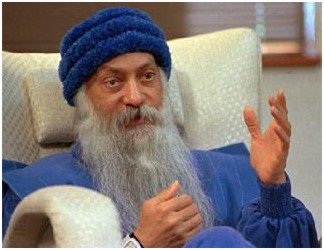

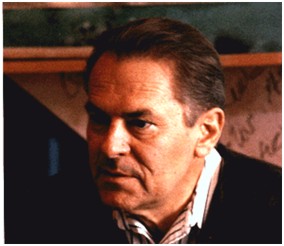
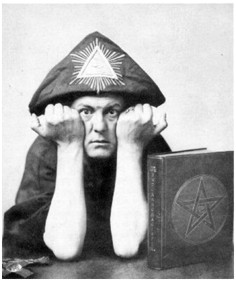

.jpg)